Get Chimney Cap Installation
Chimney cap installation services help protect chimneys from debris, animals, and water damage, typically involving cap fitting, sealing, and securing by experienced local contractors.
If you’re considering chimney cap installation, you’ve come to the right place to start exploring your options. Properly installed chimney caps can serve practical functions such as preventing debris, animals, and water from entering the chimney, which helps protect the structure and maintain its efficiency. Property owners in the area often look into this work to enhance the longevity of their chimneys and ensure safe operation. By comparing local contractors, you can find experienced professionals who understand the specific needs of homes in your community and can recommend the best solutions for your property.
Continuing with your planning process, it’s helpful to explore the services offered by nearby specialists who can handle chimney cap installation. Many property owners choose to review local options to find providers with the right expertise and reputation. This approach allows you to gather information, compare approaches, and select the service provider that aligns with your project goals. Keep reading to learn more about how local contractors can assist with your chimney cap needs and what to consider when choosing a professional for your property.
- Chimney Cap Installation - needed when installing a new chimney cap to prevent debris and animals from entering the chimney.
- Chimney Cap Replacement - required when existing caps are damaged, rusted, or no longer effective.
- Chimney Cap Repair - necessary if a chimney cap is loose, cracked, or has become dislodged.
- Custom Chimney Cap Fitting - sought when standard sizes do not fit unique chimney designs or specifications.
- Chimney Cap Maintenance Services - helpful for routine inspections and upkeep to ensure proper protection and functionality.
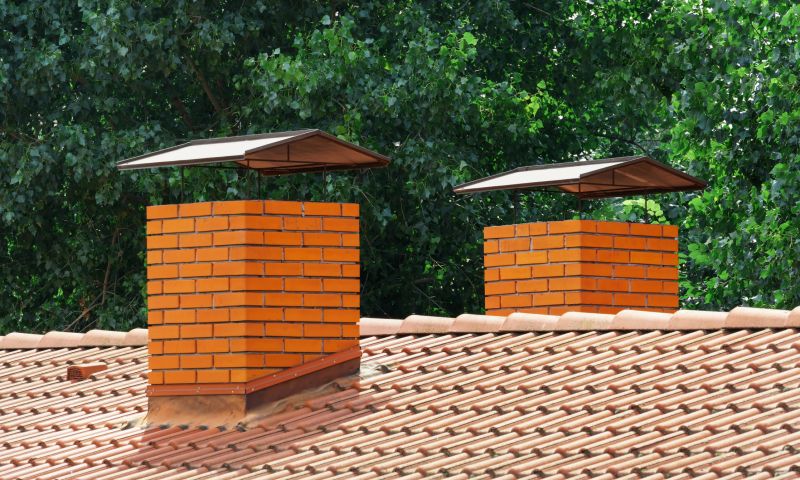
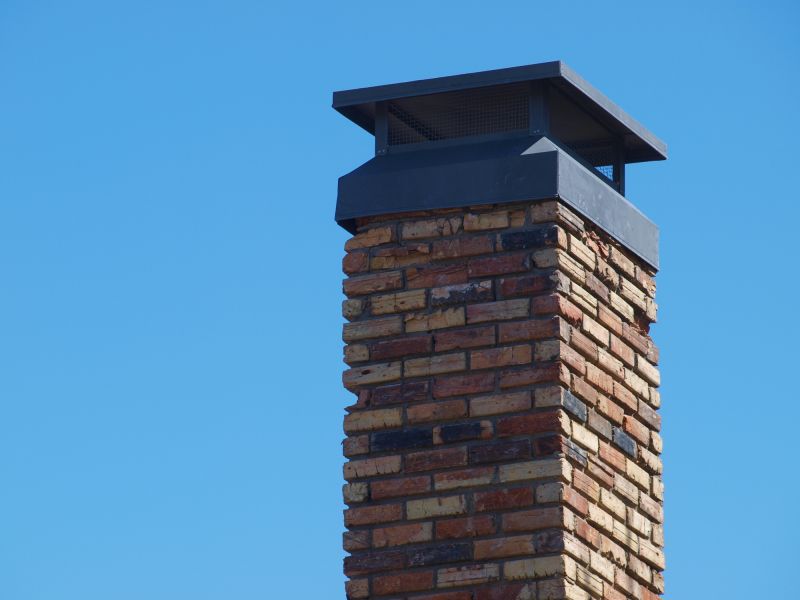
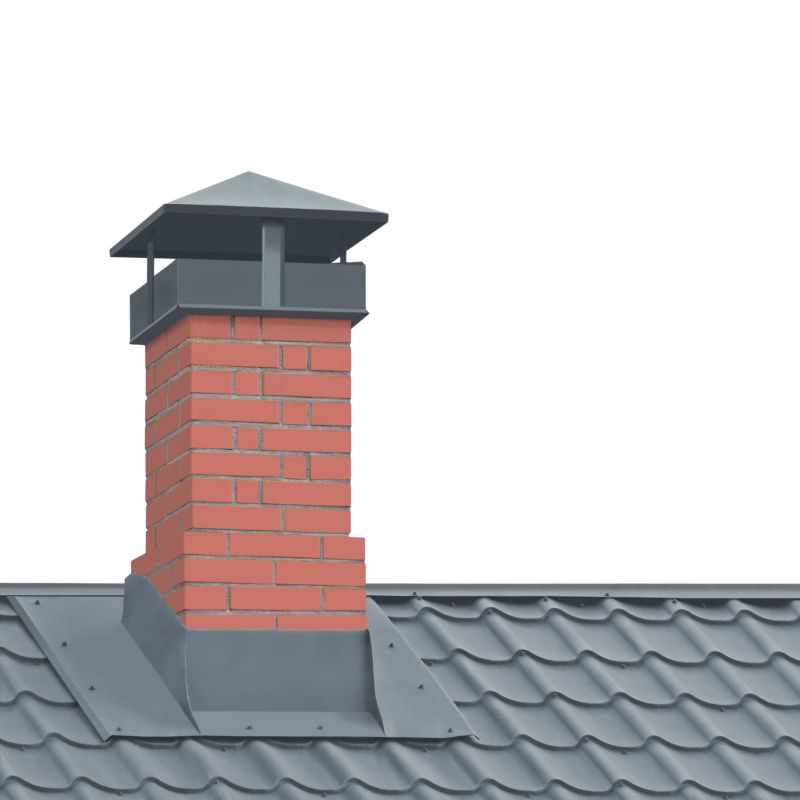
Chimney cap installation involves fitting a protective cover on top of a chimney’s opening. This essential component helps prevent debris, animals, and rain from entering the chimney, which can cause blockages or damage. Proper installation ensures the cap fits securely and functions effectively, reducing the risk of costly repairs and maintaining the chimney’s overall performance. Skilled contractors can assess the specific needs of a property and recommend the right type of chimney cap to suit the structure and local weather conditions.
One of the primary problems a chimney cap helps solve is the intrusion of animals and pests. Birds, squirrels, and other critters often seek shelter inside chimneys, which can lead to nests blocking the flue or even dangerous situations if animals become trapped. Additionally, rain and snow can cause water damage or rust within the chimney if not properly protected. Installing a chimney cap creates a barrier that keeps unwanted visitors out and prevents moisture from seeping into the chimney system, extending its lifespan and reducing maintenance issues.
Chimney cap installation is commonly needed for a variety of properties, including single-family homes, historic houses, and small commercial buildings. Homes with fireplaces, wood stoves, or pellet stoves rely on a properly capped chimney to ensure safe and efficient operation. Even newer constructions benefit from having a chimney cap installed as a preventative measure. Service providers can evaluate different property types to recommend the most suitable cap designs, whether they are simple metal covers or more elaborate models with screens and spark guards.
Homeowners should consider chimney cap installation if they notice signs of damage, such as rust, corrosion, or loose caps. It’s also advisable to have a cap installed if a chimney has been recently repaired or if there are frequent blockages or debris buildup. Properly installed chimney caps not only improve the safety and efficiency of a fireplace or stove but also help protect the entire chimney structure from weather-related wear and pest intrusion. Local contractors can provide expert guidance to ensure the right solution for each property’s unique needs.
The overview below groups typical Chimney Cap Installation projects into broad ranges so you can see how smaller, mid-sized, and larger jobs often compare in your area.
In many markets, a large share of routine jobs stays in the lower and middle ranges, while only a smaller percentage of projects moves into the highest bands when the work is more complex or site conditions are harder than average.
Smaller Repairs - Basic chimney cap repairs or replacements typically cost between $250 and $600 for many smaller jobs. Most routine repairs fall within this range, depending on the cap material and accessibility. Larger or more complex repairs may reach higher prices but are less common.
Standard Installation - Installing a new chimney cap usually costs between $300 and $800. Many local contractors handle these standard jobs within this range, with prices varying based on chimney height and cap style. More elaborate installations can cost more but are less frequent.
Full Cap Replacement - Replacing an entire chimney cap assembly often ranges from $400 to $1,200. This cost includes removal of the old cap and installation of a new one, with most projects falling into the middle of this spectrum. Larger or custom caps may push costs higher.
Complex or Custom Projects - Larger, more complex chimney cap projects can reach $2,000 or more. Such jobs involve custom designs, multiple flues, or difficult access, and are less common than standard installations or repairs. Local service providers can provide specific estimates based on project scope.
Actual totals will depend on details like access to the work area, the scope of the project, and the materials selected, so use these as general starting points rather than exact figures.
Chimney Repair Projects - Professionals skilled in chimney repair often have the experience needed for installing chimney caps, ensuring proper fit and function.
Flue Cover Installation - Installing flue covers requires similar planning and tools as chimney cap installation to prevent debris and pests from entering the chimney.
Venting System Upgrades - Upgrading or installing venting systems involves understanding chimney structures and sealing techniques, akin to chimney cap work.
Chimney Crown Repairs - Repair and restoration of chimney crowns involve similar masonry skills and attention to detail as cap installation.
Chimney Waterproofing - Waterproofing projects require knowledge of chimney surfaces and sealing methods comparable to those used in cap installation.
Masonry Chimney Restoration - Restoring or rebuilding masonry chimneys involves masonry skills and planning similar to installing protective chimney caps.
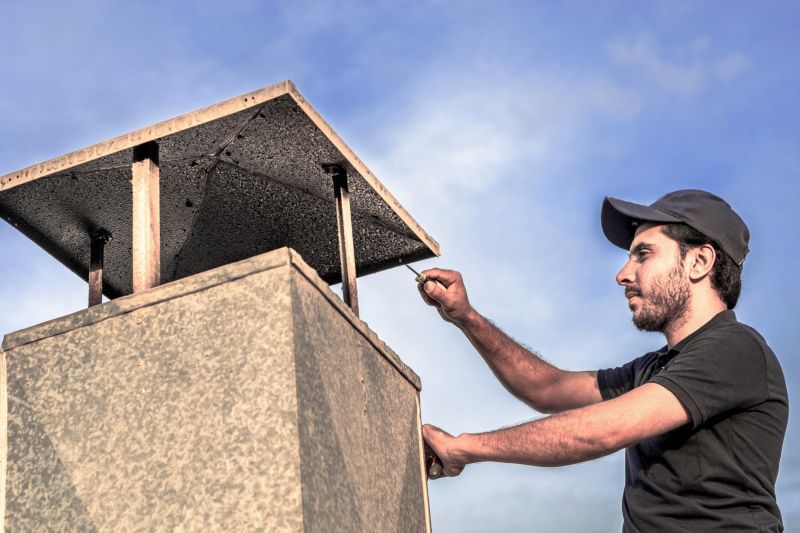
When evaluating potential service providers for chimney cap installation, it’s important to consider their experience with similar projects. Homeowners should inquire about the types of chimney caps they have installed in the past and whether they have handled projects comparable in scope and complexity. A contractor with relevant experience can better anticipate potential challenges and deliver a quality result, giving homeowners confidence in their ability to meet expectations.
Clear written expectations are essential to ensure that both parties are aligned on the scope of work, materials, and any specific preferences. Homeowners should seek out service providers who can provide detailed estimates or proposals that outline the work involved, the materials to be used, and any warranties or guarantees offered. Having this information in writing helps prevent misunderstandings and provides a reference point throughout the project.
Reputable references and effective communication are key factors when choosing a local contractor. Homeowners are encouraged to ask for references from previous clients who had similar work done and to verify the quality of the contractor’s past projects. Additionally, good communication-marked by prompt responses and a willingness to answer questions-can significantly influence the overall experience. While the site introduces homeowners to local options, it’s important to remember that the actual work will be performed by qualified service providers who can be evaluated based on their experience, clarity in communication, and references.
Property owners use Chimney Cap Installation services for practical projects around their homes and businesses. This guide focuses on everyday jobs and straightforward project options.
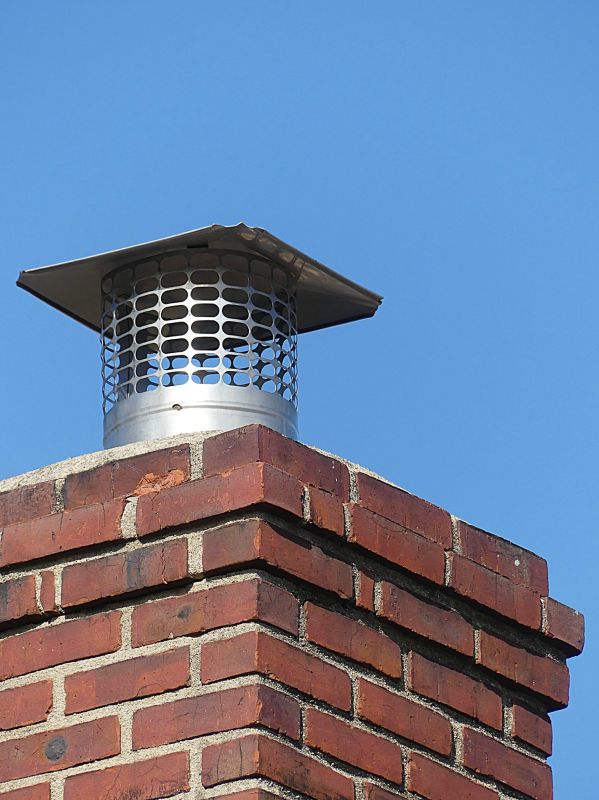
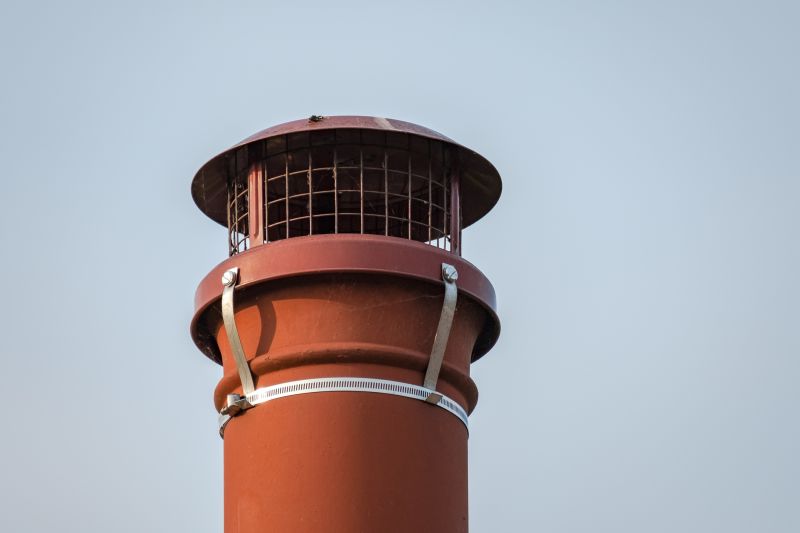
Chimney cap installation is a common project for property owners seeking to protect their homes from outdoor debris, animals, and weather-related damage. Local contractors often handle these jobs when homeowners notice issues like increased debris buildup, animal intrusion, or water leaks around the chimney area. Properly installed chimney caps can help prevent costly repairs and keep the chimney functioning efficiently, making this a practical upgrade for many residential properties.
Homeowners may also look for chimney cap services when preparing for seasonal changes, especially before winter or storm seasons. Installing or replacing a chimney cap can be an important step in maintaining the integrity of a chimney system, especially if the existing cap is damaged or missing. Local service providers are available to assess the situation, recommend suitable options, and ensure the installation is completed correctly to safeguard the home and chimney structure.
What is a chimney cap and why is it important? A chimney cap is a protective cover installed at the top of a chimney to prevent debris, animals, and water from entering. It can help reduce the risk of damage and improve chimney performance.
How do local contractors install chimney caps? Skilled service providers typically install chimney caps by securing the cover onto the chimney crown or flue, ensuring proper fit and protection against the elements.
Are there different types of chimney caps available? Yes, there are various styles and materials, including mesh, solid covers, and custom designs, suitable for different chimney types and homeowner preferences.
What factors should be considered when choosing a chimney cap? Consider the chimney size, local weather conditions, and the material of the cap to ensure durability and effective protection.
How can I find local pros for chimney cap installation? Use a trusted lead generation service to compare and connect with nearby contractors experienced in chimney cap installation services.
Prevent Debris Buildup - Installing a chimney cap helps keep leaves, twigs, and other debris out of the chimney, reducing the risk of blockages.
Protect Against Animal Intrusion - A chimney cap can prevent birds, squirrels, and other animals from entering and nesting inside the chimney.
Reduce Downdrafts - Properly installed caps can minimize downdrafts that blow smoke back into the home during use.
Enhance Safety and Ventilation - Service providers can ensure the chimney cap is correctly fitted to improve ventilation and reduce fire hazards.
If you are thinking about Chimney Cap Installation for a property, this guide is meant to help you understand the work, the typical project types, and how different options might fit your plans.
When you are ready, you can use the quote form on this page to share a few details about your project. From there, local pros can review the basics and respond with options that match what you have in mind.