Chimney Assessment in Dallas, TX
Chimney assessment services involve a thorough inspection of the chimney structure, flue, and related components to evaluate their condition and identify potential issues. This service covers a range of projects including pre-purchase evaluations for homebuyers, routine inspections for ongoing maintenance, or assessments following weather events or chimney damage. Property owners typically seek these evaluations to ensure safe operation, prevent fire hazards, and determine if repairs or cleaning are necessary before using the fireplace or stove again.
Homeowners often want to understand the overall integrity of their chimney system, including signs of wear, cracks, blockages, or deterioration that could compromise safety or efficiency. Clarifying what parts of the chimney are inspected, the scope of the assessment, and any recommended next steps helps property owners make informed decisions about maintenance, repairs, or further services needed to keep their homes safe and functional.
Many property owners in Dallas, TX look into Chimney Assessment for repairs, replacements, upgrades, and appearance-related improvements.
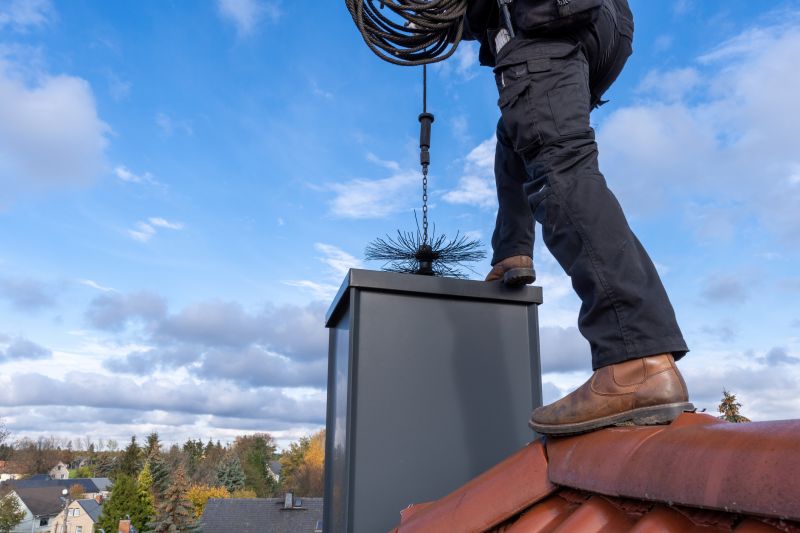
Chimney Inspection And Safety
A thorough assessment helps identify potential hazards and ensures safe operation of your fireplace.
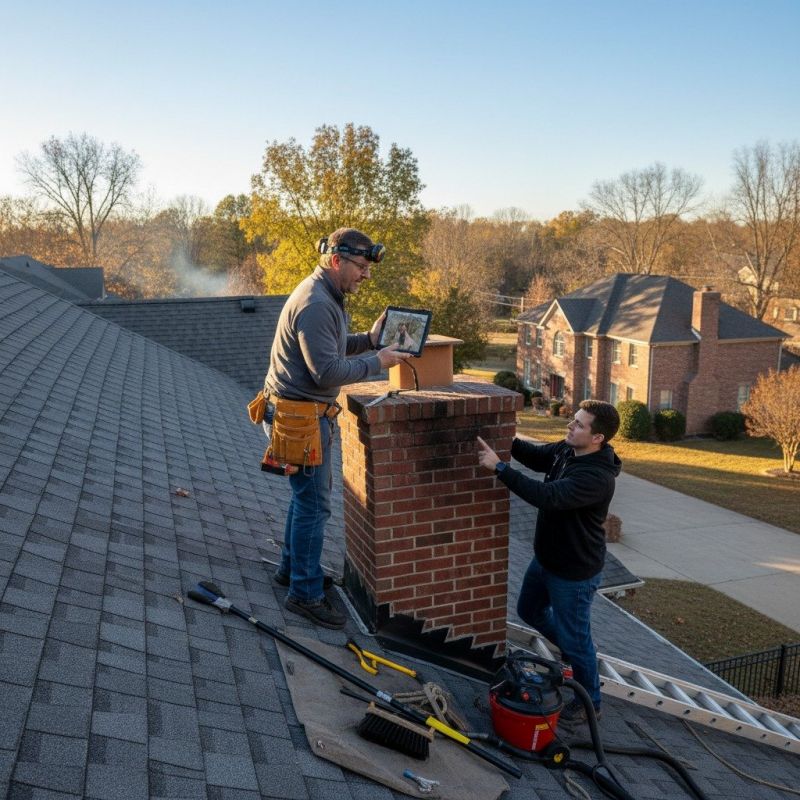
Structural Integrity Checks
Evaluations focus on detecting cracks, deterioration, or damage that could compromise chimney stability.
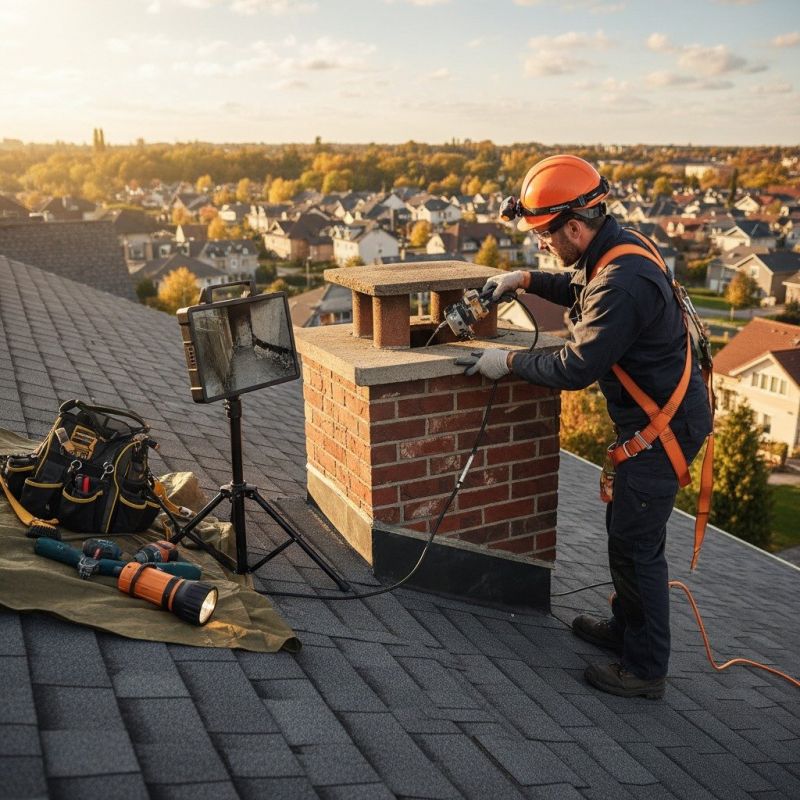
Maintenance And Repair Needs
Assessments reveal areas requiring cleaning, repairs, or updates to maintain optimal performance and safety.
Chimney Assessment in Dallas, TX
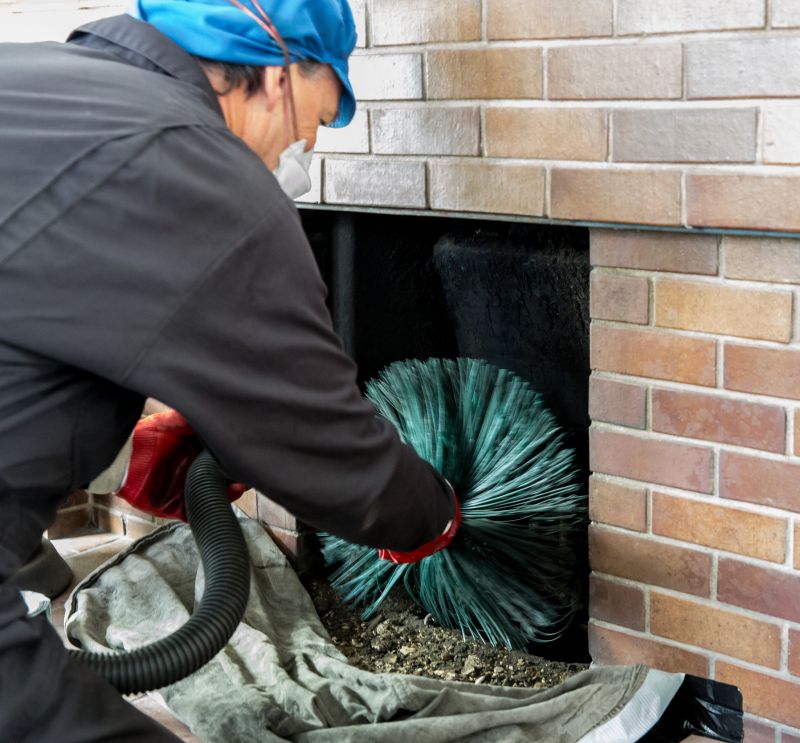
Chimney assessment services involve a thorough inspection of the chimney structure, flue, and related components to evaluate their condition and identify potential issues. This service covers a range of projects including pre-purchase evaluations for homebuyers, routine inspections for ongoing maintenance, or assessments following weather events or chimney damage. Property owners typically seek these evaluations to ensure safe operation, prevent fire hazards, and determine if repairs or cleaning are necessary before using the fireplace or stove again.
Homeowners often want to understand the overall integrity of their chimney system, including signs of wear, cracks, blockages, or deterioration that could compromise safety or efficiency. Clarifying what parts of the chimney are inspected, the scope of the assessment, and any recommended next steps helps property owners make informed decisions about maintenance, repairs, or further services needed to keep their homes safe and functional.
Many property owners in Dallas, TX look into Chimney Assessment for repairs, replacements, upgrades, and appearance-related improvements.
Common Chimney Assessment Jobs
Chimney Inspection - a thorough examination to identify potential issues or blockages.
Chimney Flue Assessment - evaluation of the flue for proper function and safety.
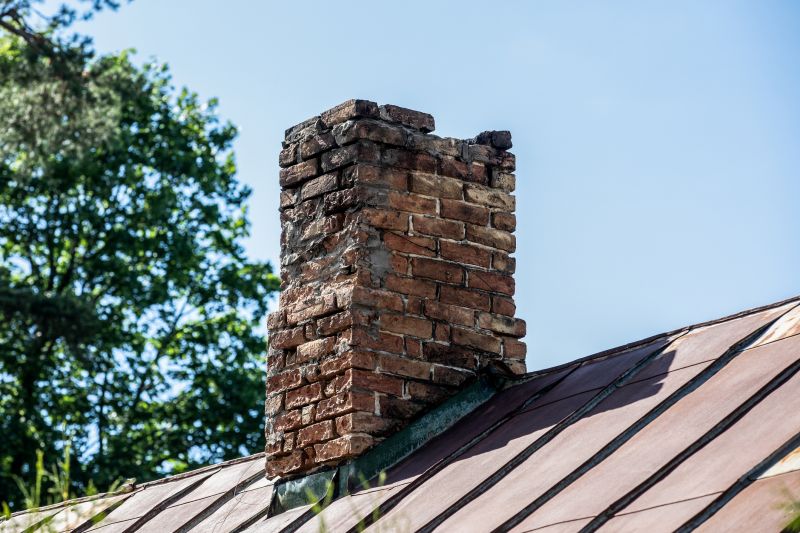
Chimney Damage Evaluation - inspection for cracks, deterioration, or structural concerns.
Creosote and Soot Inspection - checking for buildup that could pose fire hazards.
Chimney Venting Review - ensuring proper venting for efficient and safe operation.
Pre-Repair Assessment - identifying necessary repairs before use or renovation.


Chimney Assessment Questions
What is a chimney assessment? It is an inspection process to evaluate the condition and safety of a chimney structure and flue system.
When should a chimney assessment be performed? It is recommended before installing a new appliance, after a chimney fire, or if there are signs of damage or deterioration.
What issues can a chimney assessment identify? It can reveal blockages, cracks, creosote buildup, or structural weaknesses that may affect safety and performance.
How often should a chimney assessment be scheduled? Typically, an assessment is advised every one to two years, especially for homes with frequent fireplace use.
Request Chimney Assessment in Dallas, TX
Use the quote form on this page to share the basics of your project and request more information for the type of work you need.